HEATMEK

CONTACT INFORMATION

Contact us for your finned tube, radiator, heat exchanger and economizer projects.

SALES & TECHNICAL SUPPORT

CONTACT US

Complete the form for product selection, technical support or a quotation. We will get in touch.

Home – Our Services – Heating and Cooling Coils

Heating and Cooling Coils

Coil manufacturing for industrial heating and cooling
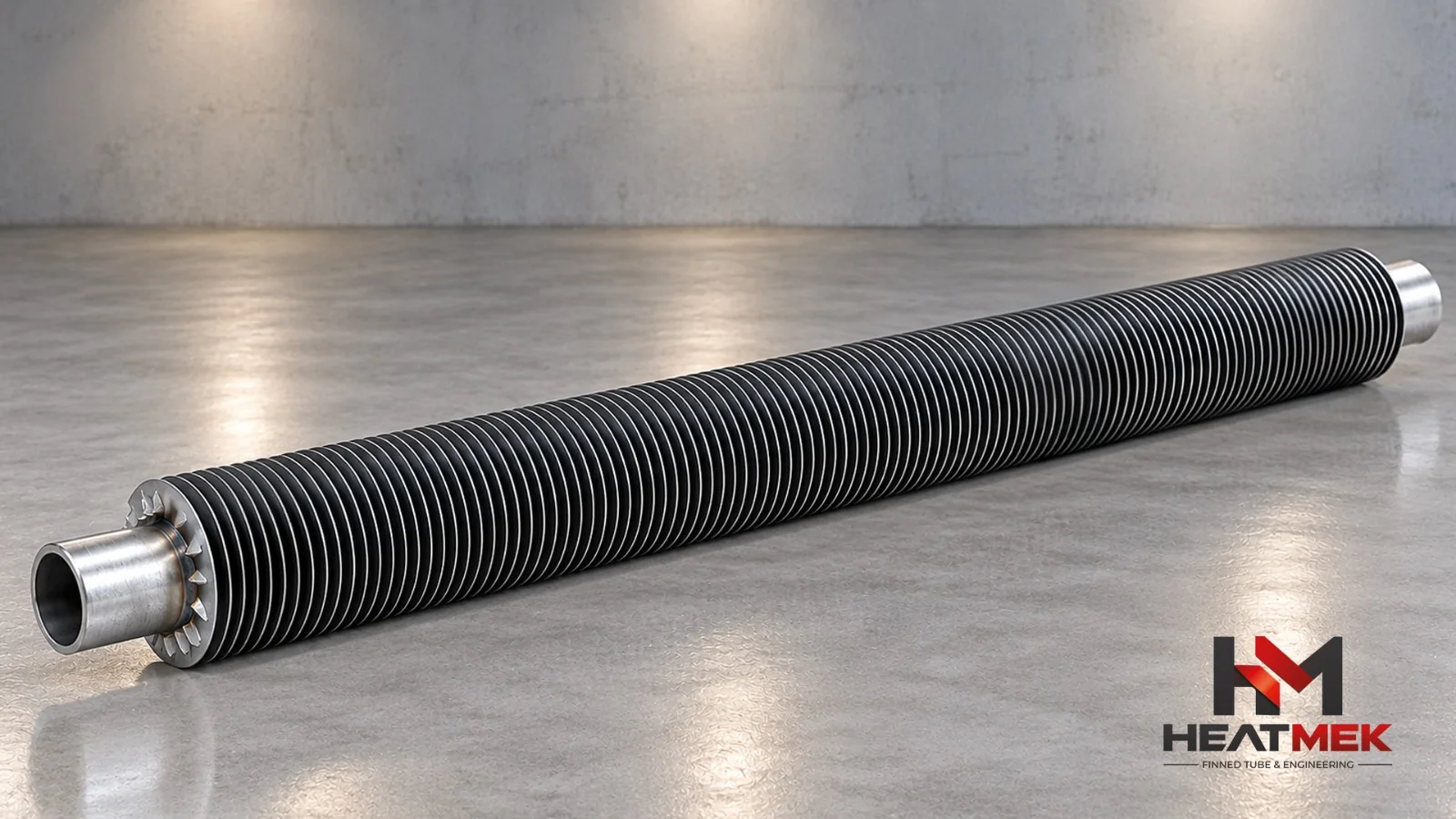
HEATMEK kanatlı boru ve serpantin

What Is a Coil? Coil Technologies for Industrial Heating and Cooling Systems

A fundamental component of modern engineering, from industrial manufacturing to air conditioning, a coil plays a critical role in the efficiency of heat transfer operations. In its simplest form, a coil is a bent tube assembly used in heating and cooling systems to bring the liquid or gas flowing through it to the required temperature.

Heating Coils and Technical Types

Coil systems are manufactured from different metal alloys to meet the requirements of each application. Copper, carbon steel and stainless steel tubes are among the most commonly used materials. Aluminium or steel fins are fitted to these tubes to increase the heat transfer surface area and maximise efficiency.

  • Material Selection: Copper and steel combinations are commonly used for heating, while models with stainless steel tubes are preferred in food processing, chemical production and other applications requiring hygiene and corrosion resistance.
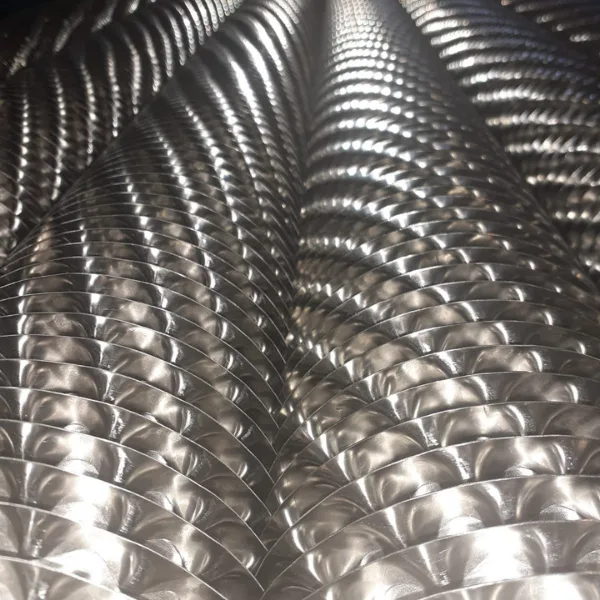
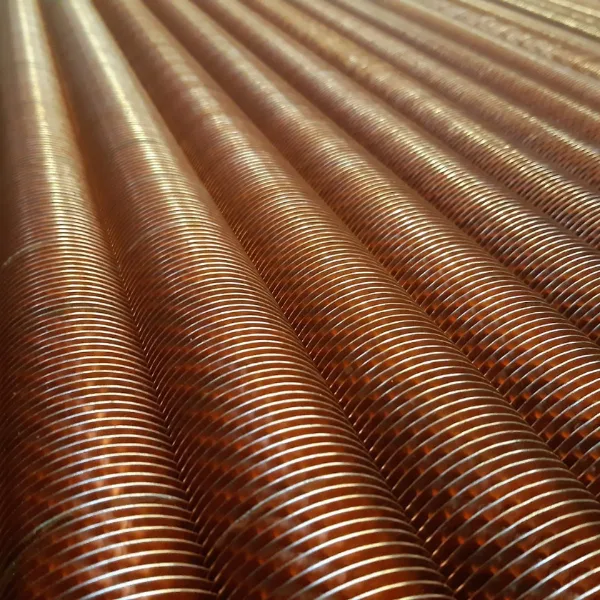
  • Fin Technologies: Spiral finned, integral finned and plate fin coils support heat transfer by increasing the surface area in contact with air.

Industrial Applications and Coil Boilers

Coil boilers and thermal oil systems are among the most common applications of coil technology. Stainless alloy boiler coil tubes are used in large industrial machinery, power plants and textile factories to support safe operation at high temperatures.

Heating coils can be used in air handling units, drying systems and industrial processes. The appropriate design depends on the fluid type, temperatures, flow rate, operating pressure and required heating or cooling capacity.

Coil Manufacturing and Engineering Calculations

Coil manufacturing is more than tube bending: it is an engineering discipline requiring expertise and precise calculations. Manufacturing takes the following criteria into account:

  1. Number of Rows: Tube rows are calculated according to the required capacity, airflow, available space and allowable pressure drop.
  2. Pressure Resistance: Design and test pressures are determined by the project’s operating conditions and applicable standards. Product selection must be based on the project’s technical specifications.
  3. Tube Type: Seamless steel tubes offer investment cost advantages in steam, high-temperature water and oil systems; stainless steel tubes are preferred where long service life and corrosion resistance are required.

For coil solutions tailored to your project, contact the Heatmek engineering team.

Our Project Process

01. Requirements Analysis and Technical Assessment
We analyse your process conditions, fluid type and capacity requirements to determine the most suitable solution.
02. Engineering Design and Calculations
We size the product for your project through thermal and mechanical calculations and prepare its technical drawings.
03. Production Planning and Material Selection
We plan production and select materials suited to temperature, pressure and corrosion conditions.
04. Manufacturing and Assembly
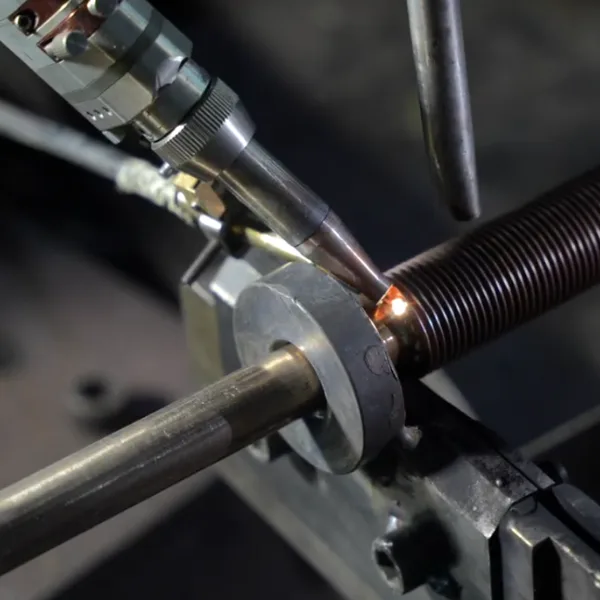
We carry out fin winding, welding, bending and assembly at our facility in accordance with quality standards.
05. Testing, Inspection and Approval
We verify every product through pressure and leak tests before shipment.
06. Delivery and After-Sales Support
Following on-time delivery, we support you through commissioning and maintenance.

Product Photos

Frequently Asked Questions

A coil is a tube system formed into a curved or finned structure to increase its heat transfer surface. Its main function is to heat or cool by transferring heat from the fluid flowing through it to the surroundings, or from the surroundings to the fluid.
Heat exchanger is the general name for a device that transfers heat. A coil is the tube bundle component inside such a device, or a tube assembly that transfers heat on its own.
Pricing is calculated according to the material used, such as copper, stainless steel or steel, the tube diameter, fin structure and required operating pressure.
Finned tube technology increases the external surface area of a tube by 10 to 20 times, accelerating heat transfer. Particularly in air heating and cooling systems, this improves performance while reducing equipment size. Heatmek’s L, KL, G and extruded fin types are selected to suit each project’s temperature and strength requirements.
Common causes include fouling on tube surfaces, dust and debris between fins, and deterioration of the thermal contact between tube and fin over time. Air pockets and condensate accumulation can also significantly restrict heat transfer. Regular cleaning and correct coil selection help prevent these losses.
As steam cools in a steam coil, it turns into liquid condensate. If this liquid is not drained, it accumulates in the tubes and reduces the available heat transfer area. It can also cause mechanical shocks known as water hammer, potentially rupturing tubes. A suitable steam trap must therefore be installed on the outlet line.
Elliptical coils have an aerodynamic shape. Their resistance to airflow is 20–30% lower than that of round tubes. This reduces fan energy consumption and limits inefficient dead zones behind the tubes. They are particularly effective in air handling units with restricted cross-sections.
With correct material selection and periodic maintenance, a coil can have a service life of 10 to 20 years. Maintenance includes cleaning between fins with compressed air or suitable chemicals, checking for leaks and removing internal scale through acid cleaning procedures.