Home – Our Services – Economizers
Economizers
Economizer solutions that turn waste heat into savings
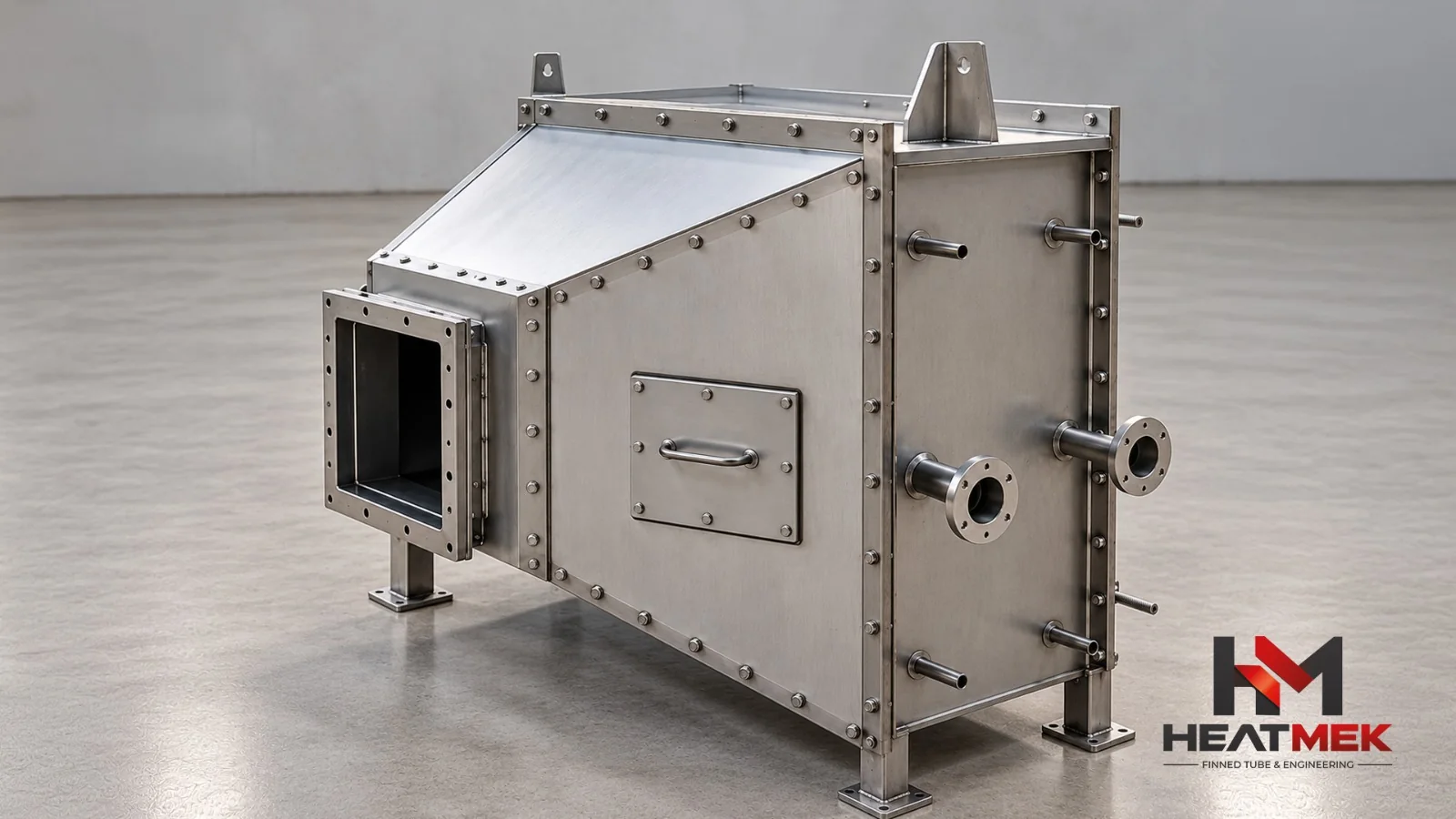
Economizers: Maximum Heat Recovery for Boiler Efficiency
Flue gas from steam and hot water boilers carries heat that can be recovered under suitable conditions. An economizer is a heat exchanger that transfers this heat to boiler feedwater or process water, helping reduce fuel requirements. The design is determined by considering flue gas flow and temperature, water-side conditions, pressure drop, fouling and condensation risk together.
Potential energy savings vary from facility to facility. Heatmek assesses the heat recovery potential and suitable economizer options using your operating data.
How Does an Economizer Work and What Are Its Benefits?
As hot flue gas passes over an economizer’s tube bundles, it transfers some of its heat to the water inside. Outlet temperature is designed with consideration for fuel properties, dew point, fouling risk, material selection and flue-side pressure drop. There is therefore no single temperature or saving percentage that applies to every system.
A correctly engineered economizer can offer:
- Fuel Consumption: Preheating feedwater or process water can reduce the fuel needed for the same heat demand.
- Emissions: Lower fuel consumption can help reduce a facility’s emissions.
- Operating Safety: Appropriate controls and materials help manage condensation and corrosion risks.
- Investment Assessment: Payback should be calculated using actual operating hours, energy prices and measured heat recovery.
Economizer Types and Design Parameters
Economizers are divided into different categories according to their application and fluid properties. Heatmek systems are configured using the following criteria:
- Material: Stainless steel economizers for aggressive flue gases and areas at risk of condensation; carbon steel economizers for standard applications.
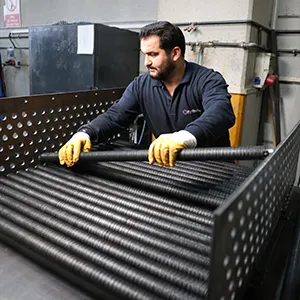
- Tube Type: Finned tubes to increase heat transfer area, or plain tubes where low pressure drop is required.
- Heated Fluid: Boiler feedwater heaters, service water heaters or air preheaters.
- Structural Design: Water-tube models, with water inside and gas outside the tubes, or fire-tube models, with gas inside and water outside.
Key Considerations During Implementation
Several critical factors must be considered during design for efficient economizer operation:
- Fuel Type and Fouling: In solid-fuel boilers, plain tubes should be preferred over finned tubes due to dust accumulation. Liquid-fuel systems require wider fin spacing and integrated soot cleaning equipment.
- Condensate Corrosion: Acidic condensation can occur when flue gas temperature falls below its dew point, causing corrosion. Heatmek designs use materials selected to minimise this risk.
- Pressure Drop: Flue-side pressure drop must be compatible with burner and flue fan capacity.
A Wide Range of Applications
Economizers play a critical role not only in steam boilers but in flue systems wherever energy can be recovered:
- High-capacity steam and thermal oil boilers.
- Oven and industrial furnace flues.
- Marine engine exhaust heat recovery systems.
- Process heating water and service water production lines.
- Natural gas and other fossil-fuel power generation facilities.
For economizer solutions tailored to your project, contact the Heatmek engineering team.
Our Project Process
01. Requirements Analysis and Technical Assessment
02. Engineering Design and Calculations
03. Production Planning and Material Selection
04. Manufacturing and Assembly
05. Testing, Inspection and Approval
06. Delivery and After-Sales Support
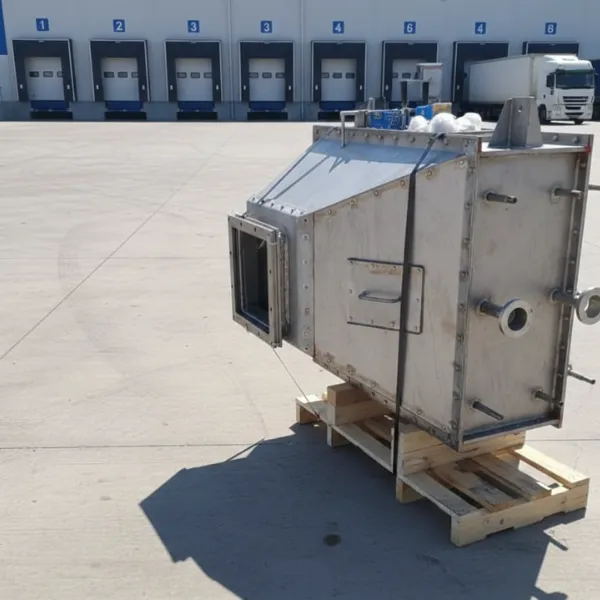
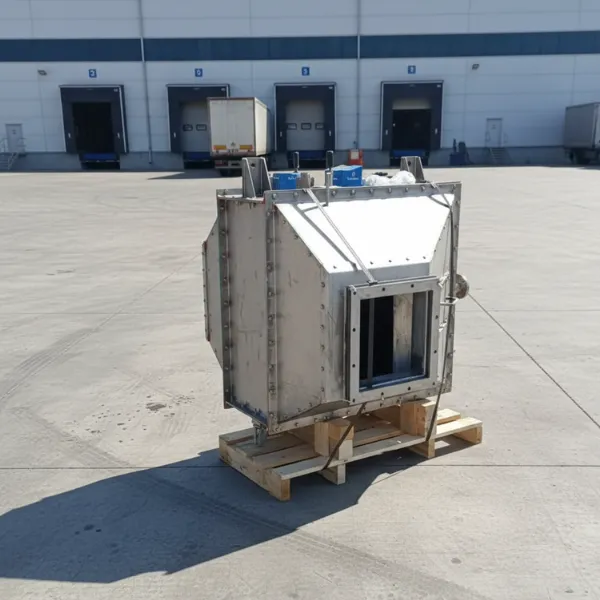
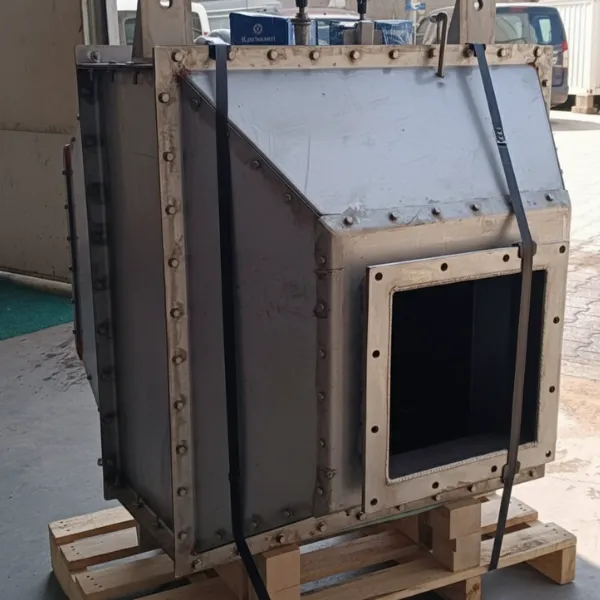
Product Photos