Home – Blog – Economizers & Waste Heat – Turning Waste Heat into Useful Energy
Turning Waste Heat into Useful Energy
Flue gas leaving an industrial facility carries heat as well as emissions. In boilers and furnaces, part of the fuel’s energy can leave through the flue at elevated temperatures. Economizers and waste heat recovery systems can recover some of that energy when a suitable heat demand exists. HEATMEK assesses heat recovery solutions against the site’s operating conditions and process needs.
What Is an Economizer and How Does It Work?
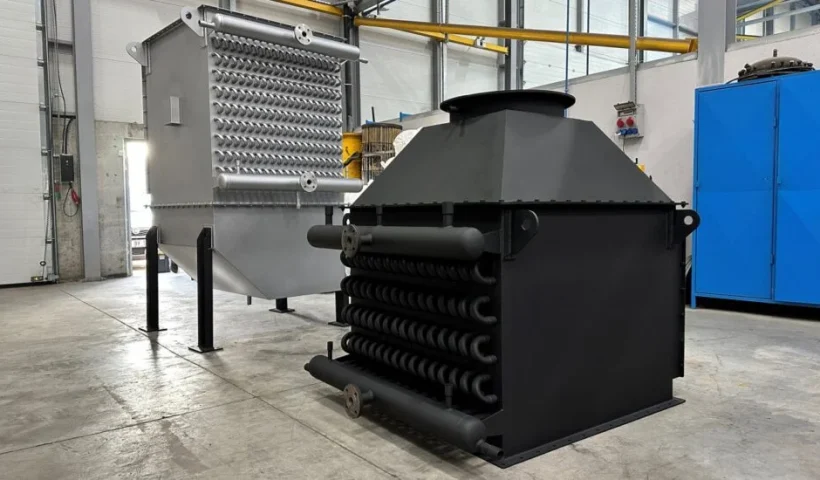
An economizer is a gas-to-liquid heat exchanger. Under suitable design conditions, it transfers heat from boiler or furnace flue gas to feedwater or a process fluid. The benefit depends on gas temperature, flow, operating hours and existing system efficiency.
Fuel savings: Preheating feedwater can reduce the fuel needed for the same heat demand. The expected saving should be calculated from site data.
Emissions: Reduced fuel use can also reduce associated emissions, depending on the fuel and operating conditions.
Performance: A correctly sized system can improve energy use. Its effect on boiler capacity requires project-specific assessment.
Is There an Economizer for Every Facility?
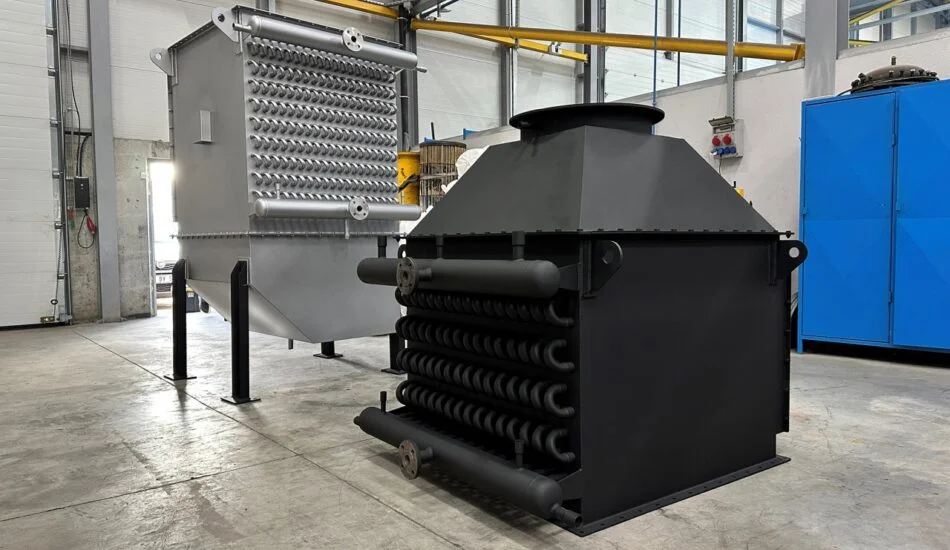
There is no universal economizer design. An effective system should suit the facility. HEATMEK’s engineering team reviews the following factors when assessing a project:
Fuel type: Natural gas, fuel oil, coal and other fuels affect flue gas chemistry and corrosion potential, making fuel information important for materials selection.
Flue gas temperature and flow: Together with useful heat demand, these parameters help establish the recoverable heat.
Allowable pressure drop: Assess the effect on natural draft or fans so the added resistance is compatible with overall system operation.
Assessing Investment and Payback
Investment cost and potential returns depend on operating hours, flue gas temperature, flows, fuel cost and maintenance conditions. Calculate recoverable heat and estimated fuel savings from technical data, then assess payback against the complete project cost. Contact HEATMEK for a project-specific feasibility review.
Waste heat recovery can support both operating cost and energy efficiency goals when recovered heat has a useful destination. Assess the available heat, demand and complete system requirements before investing.
Contact the HEATMEK engineering team for a heat recovery solution suited to your facility.